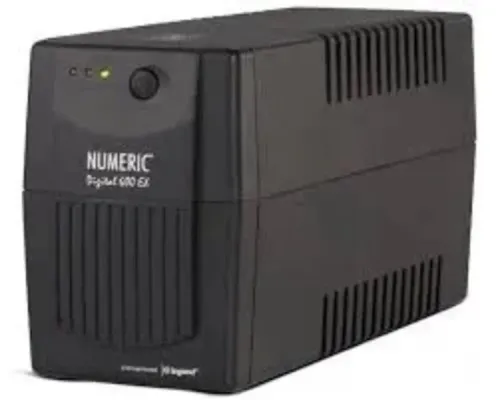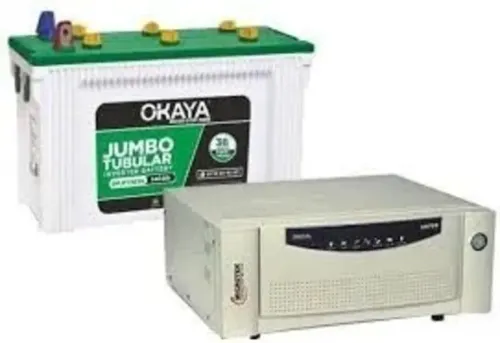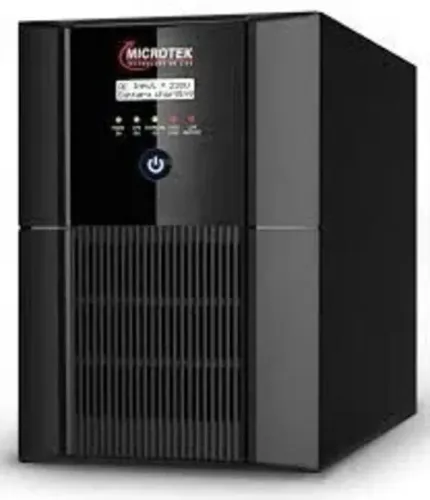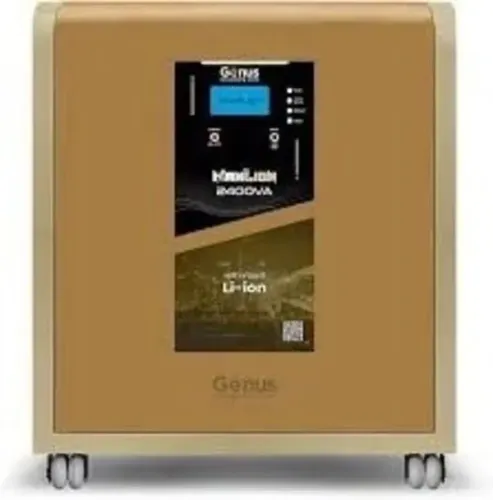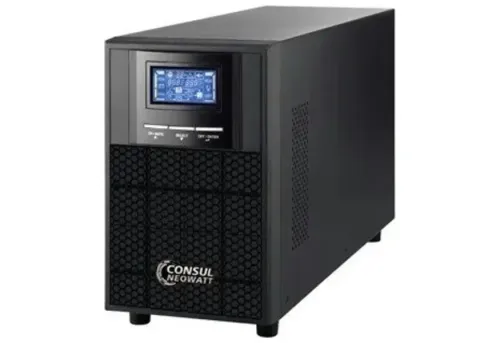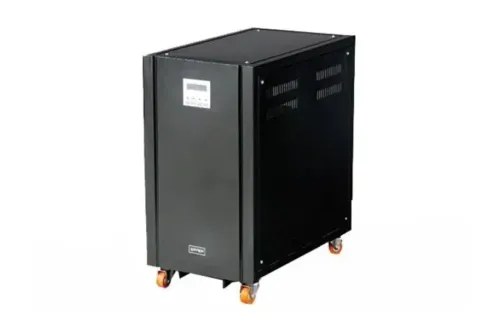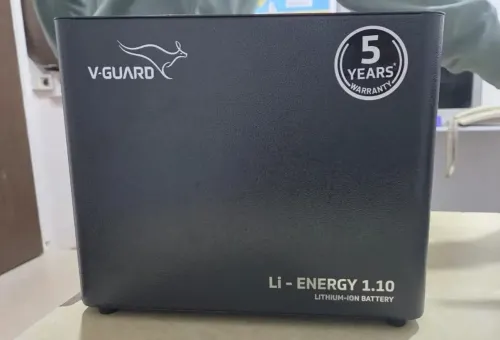
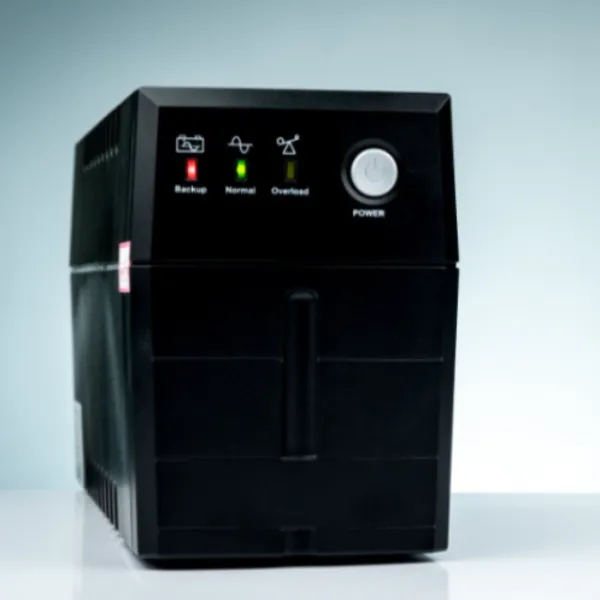
A home power-backup system should support essential comfort and communication without becoming unnecessarily large or difficult to maintain. Lights, fans, internet access, mobile charging, televisions, and selected appliances are usually the priority during an electricity interruption.
The right Home UPS Solutions depend on household size, outage duration, appliance usage, and available installation space. A careful load plan can prevent overspending while still providing useful backup for daily needs.
Separate Essential Loads From Optional Loads
The first step is deciding what must operate during a power cut. A typical essential-load list may include:
- Three to six LED lights
- Two or three ceiling fans
- Wi-Fi router
- Television
- Laptop or desktop computer
- Mobile chargers
- Security cameras
- One small kitchen or medical device, if compatible
Large appliances consume much more power. Air conditioners, geysers, induction cooktops, microwave ovens, water pumps, and room heaters should not be added unless the UPS and battery bank are designed specifically for them.
Creating a dedicated backup circuit helps ensure that family members do not accidentally connect an unsuitable appliance.
Select Capacity With Starting Load in Mind
Some devices draw additional current when they start. Fans, refrigerators, pumps, and motor-based appliances can create a temporary surge that exceeds their normal running load.
The UPS should therefore be selected according to both continuous load and starting demand. A small safety margin may be useful, but excessive oversizing increases cost without automatically extending battery runtime.
Households planning to add rooms, appliances, or work-from-home equipment should include realistic future requirements during selection.
Decide How Much Backup Is Necessary
Backup duration should be based on typical outage conditions rather than the longest interruption ever experienced. If most outages last 30 to 60 minutes, an extremely large battery bank may not be necessary.
Families should consider:
- Average outage length
- Frequency of power cuts
- Daytime and nighttime usage
- Number of people at home
- Work-from-home requirements
- Medical equipment needs
- Possibility of solar charging
- Recharge time between outages
In areas where outages occur repeatedly within the same day, battery recharge capacity becomes especially important.
Choose Suitable Output Quality
Pure sine-wave UPS systems are commonly preferred for modern household electronics, fans, and motor-based appliances because they provide a smoother output waveform. They can help appliances operate with less noise and heating than unsuitable waveform designs.
Buyers should confirm whether the proposed system is a home UPS, basic inverter, or solar-compatible model. These terms are sometimes used interchangeably even though the features may differ.
Plan a Safe Installation
The UPS should be installed in a dry, ventilated space away from direct sunlight and water. Batteries need stable placement and access for inspection.
Nagpur’s high summer temperatures make ventilation especially important. Excessive heat can affect electronic components, charging behaviour, and battery life.
Safe installation also includes:
- Correct cable size
- Tight terminal connections
- Proper fuse or breaker protection
- Suitable earthing
- Protected battery terminals
- Clear space around ventilation openings
- Secure wiring to the backup circuit
Children and pets should not have access to battery connections.
Check Service and Replacement Support
Homeowners should ask how warranty service is handled and whether replacement batteries and spare parts are readily available. A clear service process is valuable when backup is required for work, security, or essential household needs.
Soumya Enterprises assists homeowners in Nagpur with home UPS capacity selection, compatible battery options, and practical installation planning. The objective should be a balanced system that meets routine requirements without unrealistic runtime claims.
A dependable home UPS is the result of accurate load selection, appropriate battery capacity, safe wiring, and regular inspection. When household priorities are defined clearly, backup becomes easier to manage and more reliable during everyday power interruptions.
Keywords