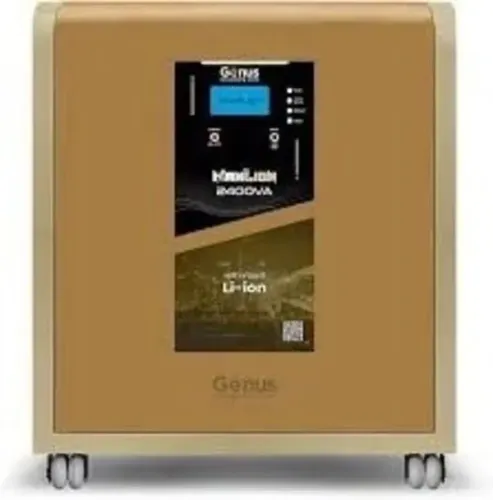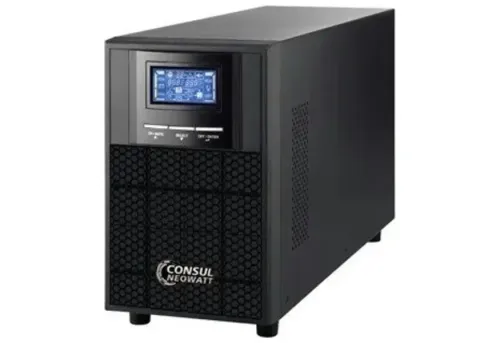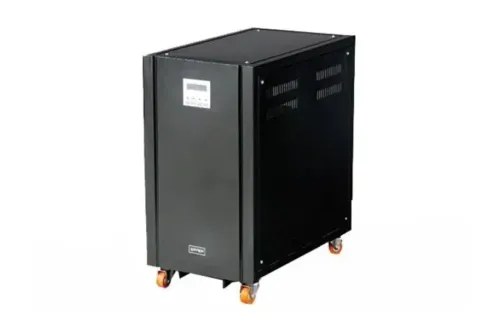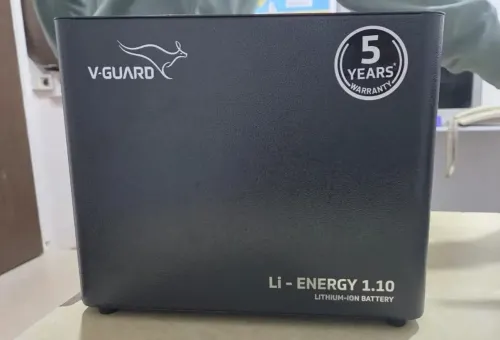
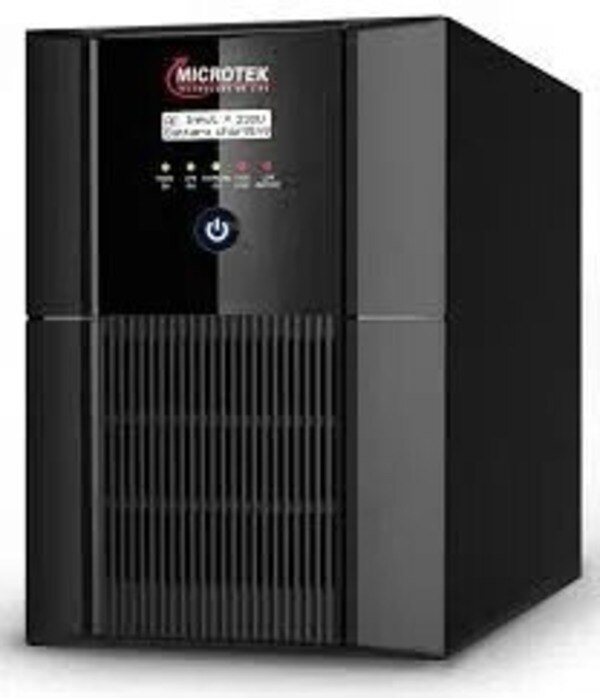
A Microtek Jumbo inverter can keep selected office loads running, but the word “Jumbo” does not identify one capacity or battery configuration. By checking the exact model, measuring your actual loads and calculating runtime from battery capacity, you can decide whether it suits your business or whether you need a line-interactive or online UPS.
Key takeaways
- Match the exact JB model to your measured running load and starting surge.
- Estimate backup from battery voltage, ampere-hours, load watts, and inverter efficiency.
- Choose a Jumbo inverter for longer outages; choose a UPS for seamless sensitive-load transfer.
- Verify wiring, earthing, ventilation, battery placement, and local installation conditions before commissioning.
Which Microtek Jumbo model matches your business load?
A microtek jumbo inverter for business must be chosen by its exact JB model, not by the word “Jumbo.” Common models include the following ratings; confirm the nameplate and current datasheet because specifications vary by revision.
| Model | Rated capacity | Approximate maximum usable load | Battery bank |
|---|---|---|---|
| UPS JB 725 | 725 VA | 580 W | 12 V |
| UPS JB 825 | 825 VA | 660 W | 12 V |
| UPS JB 945 | 945 VA | 756 W | 12 V |
| UPS JB 1000 | 1,000 VA | 800 W | 12 V |
| UPS JB 1500 | 1,500 VA | 1,200 W | 24 V |
| UPS JB 2000 | 2,000 VA | 1,600 W | 24 V |
| UPS JB 2500 | 2,500 VA | 2,000 W | 36 V |
| UPS JB 3000 | 3,000 VA | 2,400 W | 36 V |
The watt figures use a 0.8 power factor conversion, not a promise that every load will run safely. Printers, pumps and other motor-driven equipment demand starting surge; ask for the model’s maximum surge rating before connecting them.
Input-voltage range, waveform, charging current and changeover time also decide suitability. A 12 V model uses one 12 V battery, while a 24 V or 36 V model requires two or three matched batteries in series.
Select a smaller JB model for PCs, routers and lights when their combined running and startup watts fit below its limits; use an online UPS for servers or equipment that cannot tolerate transfer time.
How to size a Jumbo inverter for office equipment
Start with watts, not the Jumbo inverter’s VA label. Put essential loads on a separate circuit: selected desktops and monitors, routers, switches, Wi-Fi access points, billing terminals, biometric readers, CCTV recorders, access-control panels, emergency lights and network storage. Leave air-conditioners, heaters, pantry appliances, elevators and pumps off this circuit.
1. Record each device’s running watts from its nameplate or a plug-in power meter. Include the monitor, adapter losses and every networking device, then add the watt totals.
2. Identify startup demand for devices with motors, compressors or heating elements. Exclude laser printers and copiers from a small shared inverter circuit because their fuser heaters create sharp, intermittent loads.
3. Calculate the target continuous output: total running watts × 1.25. The 25% allowance covers load growth and operating margin; increase it when equipment has significant startup demand.
4. Compare that target with the inverter’s specified continuous watt output, not only its VA rating. Confirm that the model’s surge rating exceeds the highest simultaneous startup requirement, or overload protection can trip when several devices restart together.
For example, 1,200 watts of measured office load produces a 1,500-watt target. Choose a Jumbo model whose continuous and surge specifications both exceed those figures, after checking the model’s power factor and battery voltage.
Microtek inverter backup for offices suits selected loads during short or moderate interruptions. Servers, storage and telecom equipment that cannot tolerate transfer time belong behind a compatible UPS, not on an unverified inverter circuit.
How much backup time will the battery provide?
Runtime is not a fixed Microtek specification: estimate it as battery voltage × battery Ah × usable depth of discharge × inverter efficiency ÷ load watts. A 24-volt, 200-Ah bank at 50% usable discharge, 85% efficiency and a 500-watt load gives about 4.1 hours before real-world losses.
- Battery voltage sets stored energy: two 12-volt batteries in series provide 24 volts, while parallel batteries increase Ah without increasing voltage.
- Ah capacity is a rating, not guaranteed energy. Lead-acid batteries deliver less at high discharge rates, so a heavy load reduces runtime.
- Usable depth of discharge protects the battery. Using 50% of a lead-acid bank gives less runtime than draining it to 80%, but repeated deep discharge shortens battery life.
- Inverter efficiency varies with load. Fans, standby electronics and conversion losses consume energy even when the connected equipment uses few watts.
Nagpur’s heat changes the result. Battery capacity is rated around 25°C; a hot battery room, poor ventilation and summer temperatures accelerate lead-acid ageing and reduce dependable backup. Keep batteries ventilated and measure the room temperature.
For accurate sizing, record one week of typical and peak watts, startup surges, outage duration and interruptions. Extra batteries extend runtime only when the inverter supports that voltage and bank arrangement; they do not increase its watt rating. These calculations explain the jumbo inverter benefits in nagpur for selected office loads, not unlimited whole-building backup.
When is a Jumbo inverter better than a UPS?
A Jumbo inverter is better when your equipment can ride through its published changeover time without rebooting, dropping a connection or corrupting data. Lights, fans, billing terminals, monitors, ordinary desktop PCs and chargers often fit this use, provided their power supplies tolerate the inverter’s output waveform and transfer behaviour.
For a commercial inverter in Nagpur, test the exact Jumbo model with the real load. “Jumbo” is a range, not one fixed transfer time or waveform specification.
| Equipment or requirement | Better choice | Reason |
|---|---|---|
| Lights, fans, printers and basic office loads | Jumbo inverter | A brief changeover normally causes no operational loss |
| Desktop PCs, monitors, routers and switches | Jumbo inverter after testing | Power-supply hold-up time determines whether they stay running |
| Voltage-sensitive office electronics | Line-interactive UPS | AVR corrects moderate high or low voltage and offers faster changeover |
| Servers, network storage and telecom equipment | Online UPS | Zero-transfer output prevents rebooting during mains failure |
| Medical, laboratory and precision equipment | Double-conversion online UPS | Continuous regenerated power isolates the load from supply disturbances |
Choose a line-interactive UPS when computers or networking devices occasionally reset, Nagpur’s voltage varies, or you need regulated output rather than battery backup alone. Choose a double-conversion online UPS when even a brief interruption is unacceptable, the load is business-critical, or the equipment manufacturer specifies zero transfer time.
Check the exact inverter’s changeover time, pure-sine output and continuous-load rating before connecting active-PFC power supplies, servers or storage. A successful test with one desktop does not prove compatibility with a fully loaded rack.
What must you verify before installing one in Nagpur?
Verify the exact model number before installation: Jumbo units differ in battery voltage, input-voltage window, transfer time, continuous output and surge rating. The Microtek Jumbo inverter benefits for businesses in Nagpur depend on matching those limits to measured loads, not the word “Jumbo” on the quotation.
Battery choice changes the room, wiring and maintenance plan.
| Battery option | Verify | Installation consequence |
|---|---|---|
| Tubular lead-acid | Rated voltage, Ah range and charger current | Provide ventilation, accessible terminals and periodic water-level inspection |
| Flat-plate lead-acid | Permitted Ah capacity and charging profile | Plan shorter service life and safe battery ventilation |
| Lithium | Inverter compatibility, BMS communication and charging profile | Do not connect it until the manufacturer confirms voltage, current and cutoff settings |
Ask the installer to confirm these points in writing:
- Connect batteries in series only to reach the inverter’s specified voltage; use parallel strings only when the manual permits them, with equal cable lengths and correctly rated fuses.
- Set the charging current and battery type exactly as specified. Excess current overheats lead-acid batteries and can trip a lithium BMS.
- Check DC cable size, polarity, isolator, battery fuse, AC MCB, earthing, neutral arrangement and a dedicated changeover connection.
- Add a suitable surge protective device and inspect the building earth. The inverter alone does not correct lightning, neutral faults, severe surges or harmonic distortion.
- Record one week of maximum load, startup current, voltage range, outage duration and interruptions before finalising capacity.
Soumya Enterprises can verify the model manual against these site measurements rather than treating battery installation as a plug-in job. Nagpur’s heat also makes ventilation, clearance and battery temperature monitoring important.
Related product
 | Inverter Pure Sine Wave Output: Utilizing ACEC (Analog Compare Error Correction) PWM technology, it corrects power waves in real-time to output a smooth pure... View product → |
Frequently asked questions
Which Microtek Jumbo model matches a business load?
Match the exact JB model nameplate to your measured running watts and the highest starting surge from connected equipment. Confirm ratings in the current Microtek datasheet because revisions can differ.
How do you size a Microtek Jumbo inverter for office equipment?
List each device’s running wattage, add the loads that operate together, and account for startup demand from printers, pumps, or other motor-driven equipment. Select an inverter whose continuous and surge ratings exceed those figures.
How much backup time will the battery provide?
Estimate backup from battery voltage, ampere-hours, total load watts, inverter efficiency, and usable battery capacity. Actual runtime falls as load rises and battery condition worsens.
When is a Jumbo inverter better than a UPS?
A Jumbo inverter suits businesses prioritising longer backup for general office or non-critical loads. Use a UPS when equipment requires near-seamless transfer, tightly regulated output, or protection from brief power interruptions.
What must you verify before installing a Jumbo inverter in Nagpur?
Check the supply voltage, earthing, cable size, changeover arrangement, battery ventilation, installation space, heat exposure, and the connected load. Have the installer confirm polarity, protections, and commissioning readings.
Keywords