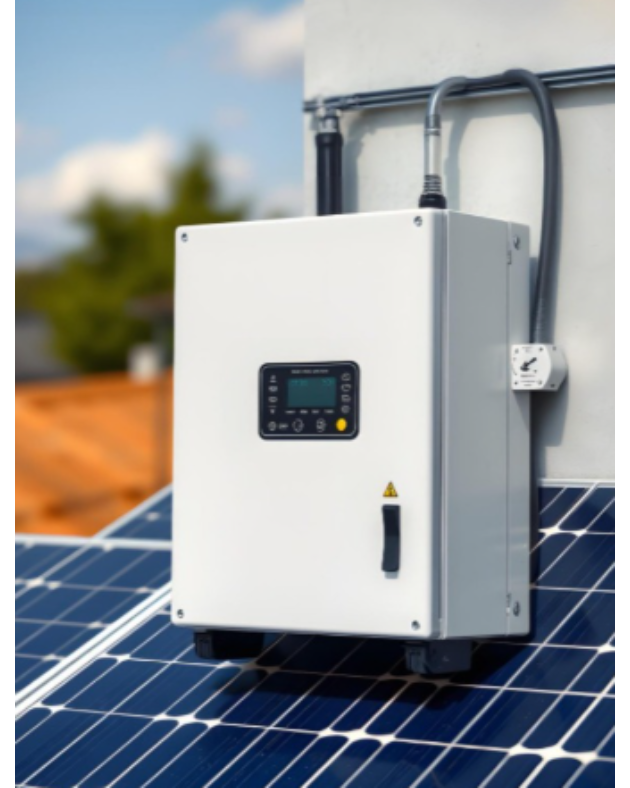
Solar panels generate electricity, but they do not produce power in the form most household and commercial equipment can use directly. A solar inverter converts the direct current generated by solar panels into usable alternating current while managing power flow between the panels, connected loads, batteries, and the electrical grid.
Different Solar Inverter Solutions are available for homes, shops, offices, institutions, and industrial properties. Selecting the right configuration depends on whether the main objective is reducing electricity consumption, obtaining backup during outages, increasing solar self-use, or supporting essential operations.
Three Common Solar Inverter Configurations
On-Grid Systems
An on-grid inverter works with the utility supply. Solar energy is used by connected loads, while surplus generation may be exported according to applicable regulations and metering arrangements.
These systems are generally selected where the main goal is electricity-cost reduction. However, a standard grid-connected inverter usually shuts down during a power failure for safety reasons. It should not be assumed to provide backup unless the system specifically includes that capability.
Off-Grid Systems
Off-grid solar inverters operate with battery storage and are designed for locations where utility power is unavailable or highly unreliable. Solar energy charges the battery and supplies connected appliances according to the system design.
Battery capacity, daily energy consumption, expected autonomy, seasonal solar generation, and maximum load must be calculated carefully. An undersized system may run out of stored energy before the required backup period ends.
Hybrid Systems
Hybrid inverters combine solar generation, grid supply, and battery storage. They can prioritise solar power, charge batteries, support essential loads during outages, and draw from the grid when needed.
Hybrid systems provide flexibility, but their performance depends on correct programming, battery compatibility, and thoughtful separation of essential and non-essential loads.
Start With an Energy Assessment
The inverter should not be chosen only by looking at the total wattage of solar panels. Buyers need to understand how much electricity they use, when they use it, and which appliances require backup.
A basic assessment should record:
- Average daily electricity consumption
- Daytime and nighttime load
- Maximum simultaneous demand
- Essential backup appliances
- Motor and compressor starting loads
- Desired backup duration
- Available rooftop area
- Shading conditions
- Existing electrical supply
- Possibility of future expansion
For a shop in Nagpur, daytime air conditioning, lighting, billing equipment, and refrigeration may influence the design. A home may prioritise fans, lights, Wi-Fi, televisions, and selected appliances during a power cut.
Battery Storage Changes the Economics
Adding batteries increases backup capability but also affects project cost, maintenance, usable storage, and replacement planning. Battery selection should therefore be based on a real backup requirement.
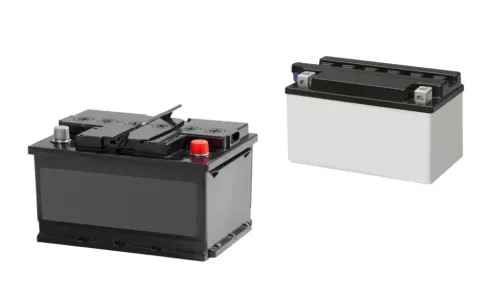
Lead-acid batteries may offer a familiar and economical solution for many applications, while lithium-based systems can provide a higher usable depth of discharge, compact installation, and different cycle-life characteristics. Compatibility with the inverter and battery-management system must be verified.
A larger battery bank is not always better. If the solar array cannot recharge it adequately, the expected benefits may not be achieved.
Consider Nagpur’s Operating Conditions
Nagpur receives strong sunlight for much of the year, making solar generation relevant for many properties. At the same time, high ambient temperatures, dust accumulation, roof conditions, and seasonal weather must be considered.
Panels require suitable orientation, structural support, ventilation, and periodic cleaning. The inverter should be installed away from direct rain and excessive heat, with adequate airflow and safe electrical access.
Questions to Ask Before Finalising a System
Buyers should clarify:
- Will the system work during a grid outage?
- Which loads will receive backup?
- What is the expected backup duration?
- How much solar capacity can the inverter support?
- Can batteries be added or expanded later?
- What monitoring features are available?
- Which protections are included?
- What maintenance is required?
- How are warranties divided between components?
- Is installation and commissioning support available?
Soumya Enterprises assists residential and commercial customers evaluating solar-compatible power solutions in Nagpur, Maharashtra. The provider can help connect energy requirements with an appropriate inverter and battery configuration.
An effective solar inverter system is built around consumption patterns, not just rooftop capacity. Clear priorities and accurate load calculations lead to better energy use, realistic backup performance, and a more dependable long-term installation.