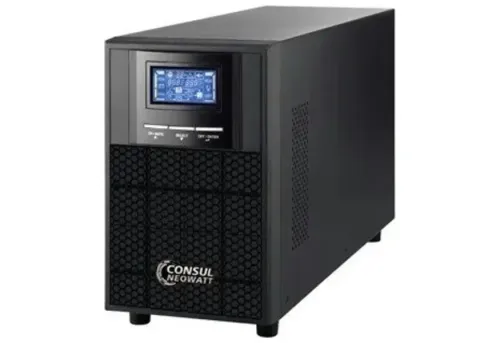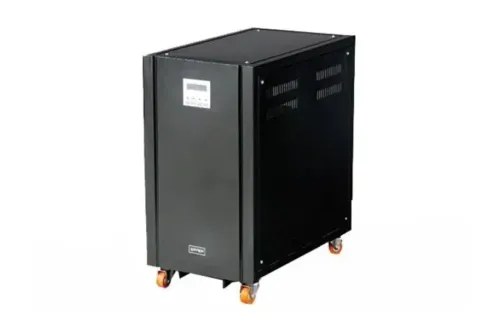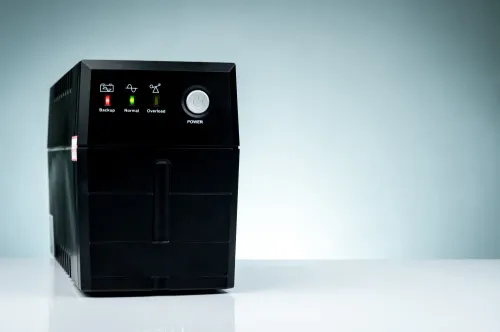
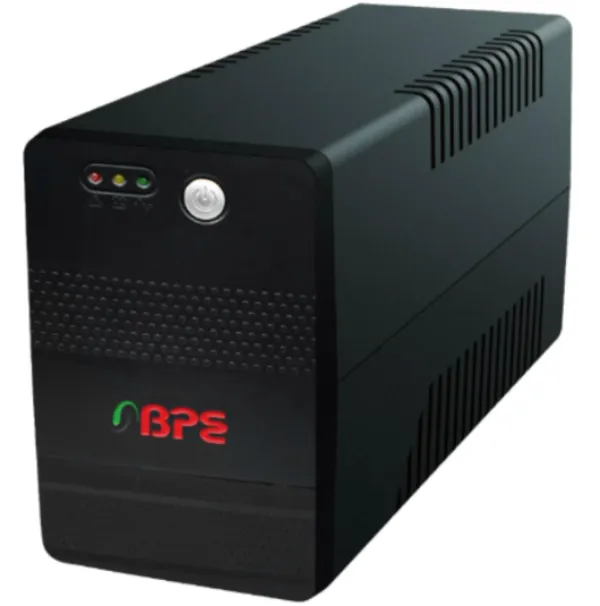
Voltage instability can affect motors, electronics, lighting, control systems, refrigeration, communication equipment, and building services. Businesses facing repeated overvoltage, undervoltage, or phase imbalance may require an automatic voltage regulator to maintain output within an acceptable operating range.
Automatic Voltage Regulator Systems are available in different capacities and technologies. Selecting one requires careful assessment because voltage correction needs can vary significantly between an office, showroom, workshop, hospital, warehouse, and manufacturing unit.
Confirm the Electrical Problem
Before purchasing a regulator, determine whether voltage variation is actually causing the observed issue. Frequent equipment trips can also result from loose connections, overloaded circuits, poor earthing, harmonics, failing components, or an inadequate internal distribution system.
Record voltage at different times, particularly:
- During peak-demand periods
- When large equipment starts
- At the incoming supply
- At the affected machine
- Across all three phases
- During normal and high production loads
This information helps establish the minimum and maximum input voltage the regulator must handle.
Choose the Right Regulation Technology
Different regulator designs offer different correction speeds, accuracy, capacity ranges, and maintenance needs.
Servo-controlled stabilizers use a motorised mechanism to adjust voltage and are widely used for commercial and industrial loads. Static voltage regulators use electronic switching and may provide faster correction for applications that are particularly sensitive to rapid fluctuations.
Relay-based systems are commonly found in smaller applications where broad step correction is acceptable. Their suitability depends on load type and required output precision.
Buyers should compare the technologies according to:
- Correction speed
- Output accuracy
- Supported voltage range
- Load characteristics
- Maintenance requirements
- Installation environment
- Total cost
- Availability of technical support
Size the System Correctly
Capacity should be calculated using actual operating conditions. Consider total load, maximum simultaneous demand, motor-starting current, power factor, phase balance, and planned expansion.
For a centralised regulator serving a complete facility, electrical distribution and load diversity must be reviewed carefully. A dedicated regulator may be more appropriate when one machine is especially sensitive or operates under different voltage conditions.
The selected unit should have an appropriate margin, but arbitrary oversizing can increase cost and operating losses.
Specify the Required Protection
Depending on the application, useful features may include:
- High-voltage cut-off
- Low-voltage cut-off
- Overload protection
- Short-circuit protection
- Phase-failure protection
- Phase-sequence protection
- Surge protection
- Bypass arrangement
- Digital metering
- Alarm indication
- Temperature protection
- Automatic restart delay
A bypass can be important for facilities that need to continue operating while the regulator undergoes maintenance. The bypass arrangement should be designed and operated safely.
Compare Installation Requirements
Large automatic regulators require suitable space, ventilation, cable access, earthing, and protection from dust or moisture. Oil-cooled models may have different placement and maintenance requirements from air-cooled equipment.
Nagpur businesses should consider high ambient temperatures, particularly in electrical rooms without mechanical ventilation. Enclosure design and cooling capacity need to match real site conditions.
Before ordering, verify door dimensions, equipment movement paths, foundation requirements, termination points, and maintenance clearance.
Evaluate the Supplier’s Technical Readiness
A capable provider should ask for site voltage data and a load schedule before recommending equipment. Be cautious if a proposal is based only on a rough estimate of the facility size.
Soumya Enterprises works with business owners, electrical contractors, and facility managers seeking voltage-regulation systems in Nagpur, Maharashtra. Buyers should request a written specification covering capacity, input range, output accuracy, protection features, cooling type, warranty, installation, and service responsibilities.
An automatic voltage regulator is a long-term electrical asset. Careful diagnosis, appropriate technology, correct sizing, safe installation, and accessible maintenance support are essential for achieving reliable voltage control.
Keywords