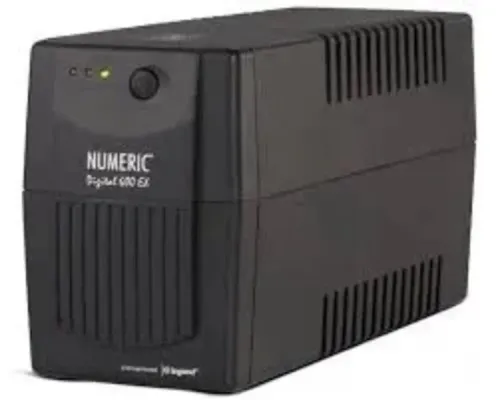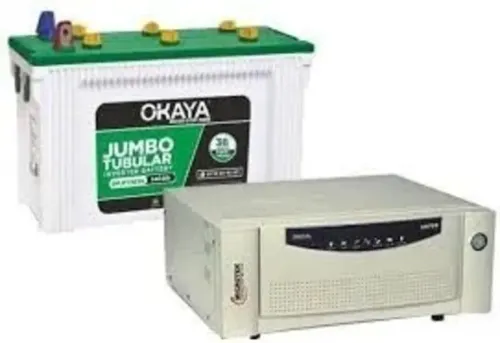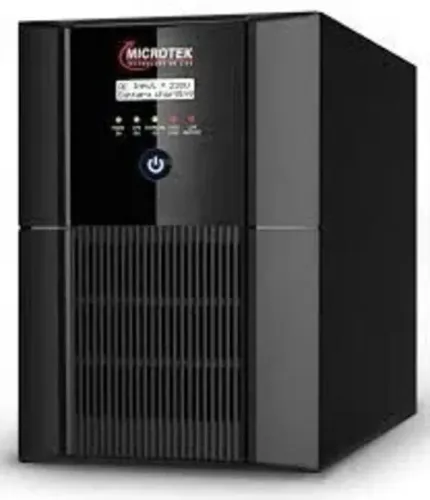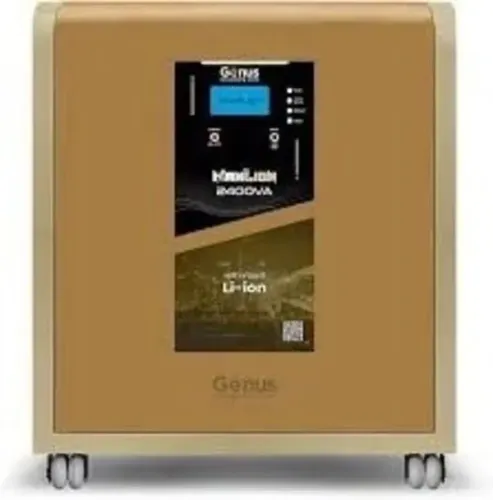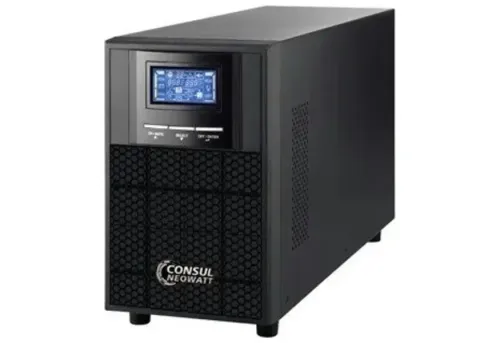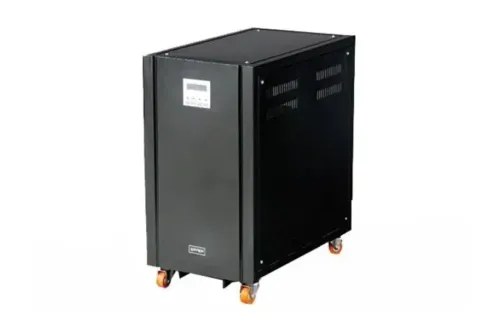
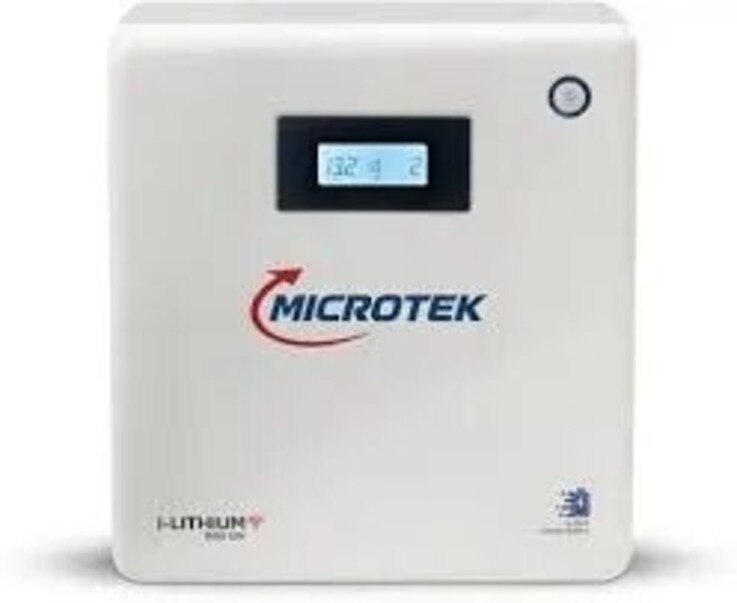
The right choice depends on more than the inverter’s VA label. You need to compare usable battery energy, starting loads, charging limits, heat exposure, maintenance, replacement needs, and the total installed cost before choosing a system for your home.
Key takeaways
- Size the inverter for running load plus motor-starting surge, not appliance watts alone.
- Compare usable battery capacity and backup hours, not only the battery’s rated Ah.
- Verify LiFePO4 chemistry, BMS protections, warranty terms, and local service access.
- Include wiring, ventilation, battery stands, installation, and future replacement in the price comparison.
What “conventional inverter” means—and where lithium changes the comparison
A conventional inverter here means a separate lead-acid battery system, using a flat-plate or tubular battery, while a Microtek lithium inverter uses a lithium battery matched to an inverter and its battery-management system (BMS). The difference affects usable backup, charging, ventilation, maintenance, and replacement—not just the inverter’s VA rating.
| Aspect | Lithium inverter | Conventional inverter with lead-acid battery |
|---|---|---|
| Battery capacity | Delivers more practical energy from the same nominal ampere-hours because lead-acid capacity falls at higher discharge rates and is normally used at a shallower depth of discharge. | Nominal ampere-hours can overstate the backup you will actually receive. |
| Charging and care | Requires a compatible charge-current limit and BMS protection or communication; no electrolyte topping-up or equalisation watering. | Needs correct charging, ventilation, terminal inspection, electrolyte-level checks, and corrosion cleaning. |
| Space and safety | Compact, with no routine hydrogen release during normal operation; protection against thermal, electrical, and mechanical abuse remains essential. | Releases hydrogen during charging and must not sit in a sealed cupboard or unventilated sleeping area. |
| Usage pattern | Suits frequent cycling, longer daily backup, limited space, and low-maintenance installations. | Suits occasional short outages, especially when you already own a suitable battery. |
| Cost decision | Higher purchase cost can make sense when daily cycling and usable kilowatt-hours matter. | Lower initial cost can win when outages are infrequent. |
For a Microtek lithium inverter vs conventional inverter in Nagpur decision, compare delivered usable energy and expected replacement interval, not only battery price. A Microtek inverter comparison that ignores continuous load, starting surge, battery voltage, charge-current limit, and BMS compatibility can select the wrong system even when both units carry the same VA rating.
Match the inverter to your appliances, backup hours, and starting surge
Calculate energy in watt-hours, then check continuous watts and starting surge. Add the fans, LED lights, router, television, computer, and refrigerator loads you expect to run together. A 1,000 W load for four hours needs 4,000 Wh delivered to the appliances; increase that figure for inverter losses, reserve, temperature, and the permitted depth of discharge.
For a battery rated at 48 V and 100 Ah, nominal energy is 4,800 Wh. Do not treat all of it as usable: compare the inverter’s efficiency and the battery’s stated usable kWh at the intended discharge rate.
Lead-acid loses more practical capacity under heavy loads, so matching nominal ampere-hours makes a conventional system look larger than it performs. A lithium inverter for home use usually provides more usable energy from the same nominal capacity.
| Inverter size | Select it when | Check before purchase |
|---|---|---|
| 1 kVA | Your simultaneous running load fits its rated watts | Refrigerator or pump starting surge |
| 1.5 kVA | You run several lights, fans, electronics, and one intermittent appliance | Continuous watt rating and surge duration |
| 2 kVA | You need heavier mixed loads or more starting headroom | Battery voltage, charger limit, and wiring |
| Larger than 2 kVA | Pumps, multiple refrigerators, air conditioners, or high daily demand are included | Load schedule, phase requirements, and installation protection |
Choose the rating from continuous watts, not battery size. A bigger battery extends backup; it does not make a 1 kVA inverter start a pump safely. Compare the lithium inverter’s BMS limits with the charger and starting surge.
Check charging behaviour, LiFePO4 chemistry, and BMS protection
A safe lithium setup starts with the battery’s charge profile, not the inverter’s VA label. For a microtek lithium inverter in nagpur, obtain the exact model number and approved battery list, then confirm LiFePO4 chemistry, nominal battery voltage, maximum charge current, low-voltage cut-off, and usable kWh.
| Specification | What to verify | Why it matters |
|---|---|---|
| Charge profile | Inverter charging voltage and current match the battery manufacturer’s limits | Excess voltage or current can damage cells or trigger a shutdown |
| BMS protection | Over-charge, over-discharge, over-temperature, short-circuit, and excessive-current cut-offs | The BMS isolates a fault before it becomes cell damage or a safety event |
| Communication | CAN, RS485, or another specified interface, if required | The inverter can reduce charging or stop discharge when the BMS reports a limit |
| Recovery behaviour | Automatic restart after a BMS trip, with a stated delay and fault condition | A battery that stays disconnected can leave essential loads without backup |
| Capacity | Usable kWh, not only nominal ampere-hours | This determines actual runtime after inverter losses and reserve limits |
Ask whether the inverter supports the battery’s exact chemistry and voltage. A larger battery will not recharge faster if the charger’s current limit remains unchanged.
Check the BMS temperature range before installation. Nagpur heat can reduce charge acceptance or cause protective cut-off, producing inconsistent backup even when the battery is full on paper. A quotation should state BMS inclusion, warranty exclusions, and the approved battery model.
Design the installation for Nagpur heat, dust, humidity, and service access
Keep either battery in a shaded, dry, ventilated room—not a closed loft, rooftop enclosure, or unventilated utility cabinet. Nagpur’s summer heat can raise internal temperature above room temperature, shortening battery life or triggering thermal protection.
Leave the manufacturer’s specified clearance around the inverter and battery, and keep them away from direct sunlight, stoves, damp walls, and floor-level water.
During monsoon, control dust and humidity without blocking airflow. Mount lead-acid batteries upright on a rigid, corrosion-resistant stand, provide ventilation for hydrogen gas, and keep terminals clean and tight. Lithium needs no watering, but its enclosure, connectors, and ventilation openings still require inspection.
| Battery | Maintenance focus | Failure prevented |
|---|---|---|
| Lead-acid | Check electrolyte level, terminal corrosion, bulging, leaks, and backup performance; use distilled water only when the battery design permits it. | Dry plates, poor connections, and premature replacement |
| Lithium | Record BMS alarms, temperature events, and charge interruptions; never bypass a BMS trip or substitute an unapproved charger. | Unsafe charging and unexplained lockouts |
Use an input-protection arrangement suited to local fluctuations: correctly rated MCB, earthing, surge protection, and an inverter with documented high- and low-voltage cut-offs. Ask for these installation details:
- Exact inverter model, approved battery list, chemistry, nominal voltage, charge-current limit, and communication interface
- Restart procedure after BMS lockout and the technician’s service response time
- Ambient-temperature warranty limits, transport and installation charges, and battery replacement logistics
Soumya Enterprises should document these points at commissioning, including terminal torque, clearances, readings, and the first service date.
Related product
 | Inverter Pure Sine Wave Output: Utilizing ACEC (Analog Compare Error Correction) PWM technology, it corrects power waves in real-time to output a smooth pure... View product → |
Compare the installed cost before choosing lithium or lead-acid
A lithium system earns its higher installed price when your home cycles daily, has limited battery space, or values low maintenance. If outages are infrequent, a tubular lead-acid system can cost less over its useful life because you do not pay for unused cycling capability.
| Option | Cost advantage | Best fit |
|---|---|---|
| Lithium | Higher purchase price; more usable energy per rated kWh and fewer routine tasks | Daily outages, compact installations, frequent cycling |
| Lead-acid | Lower initial price; replacement and maintenance arrive sooner | Occasional outages, larger ventilated battery space, lowest upfront spend |
Compare delivered usable kilowatt-hours and the expected replacement interval, not just the battery-and-inverter total. A larger lithium battery will not recharge faster if the inverter charger remains limited, so include electricity, maintenance, ventilation, and service access in the microtek inverter comparison.
The phrase lithium battery inverter price is incomplete unless the quotation identifies:
- Exact inverter model, VA and watt rating, nominal battery voltage, LiFePO4 chemistry, approved battery list, and maximum charge current
- Battery capacity in kWh, usable capacity, BMS, communication interface, low-voltage cut-off, and restart behaviour after a BMS trip
- Installation, battery cabinet or rack, cables, lugs, earthing, DC fuse or breaker, AC protection, and ventilation work
- GST, delivery, commissioning, warranty period, and exclusions covering deep discharge, heat, installation, and unauthorised batteries
For lead-acid, price in electrolyte checks, corrosion cleaning, terminal inspection, watering, and ventilation. A sealed cupboard can turn charging hydrogen into a safety hazard.
Frequently asked questions
What is the difference between a conventional inverter and a Microtek lithium inverter?
A conventional system uses a separate lead-acid battery, such as a flat-plate or tubular model. A Microtek lithium inverter uses a matched lithium battery and battery-management system, changing charging, usable backup, maintenance, ventilation, and replacement considerations.
How do I size an inverter for my Nagpur home?
List the appliances you will run together, add their running watts, and account for starting surge from refrigerators, pumps, fans, and other motor loads. Choose the VA and battery capacity for that load and your required backup hours.
What should I check in a lithium inverter’s battery and BMS?
Confirm the battery chemistry, including whether the model uses LiFePO4, and ask for the BMS protections against overcharge, deep discharge, over-temperature, over-current, and short circuit. Verify charging compatibility between the inverter and battery.
How does Nagpur’s climate affect inverter installation?
Keep the inverter and battery away from direct sun, dust accumulation, water ingress, and poorly ventilated heat traps. Leave service clearance, route cables safely, and choose an installation point that technicians can access without moving household equipment.
Is a lithium inverter cheaper than a lead-acid inverter?
Compare the complete installed cost: inverter, battery, cables, protection devices, stand or enclosure, installation, ventilation changes, maintenance, warranty, and eventual battery replacement. Lithium may reduce maintenance and save space, while lead-acid can have a lower initial purchase cost.
Keywords