A brief power failure can stop billing, disconnect internet-based payments, turn off security cameras, interrupt customer service, and leave working areas without adequate lighting. For shops and small commercial establishments, even a short interruption can affect both revenue and customer experience.
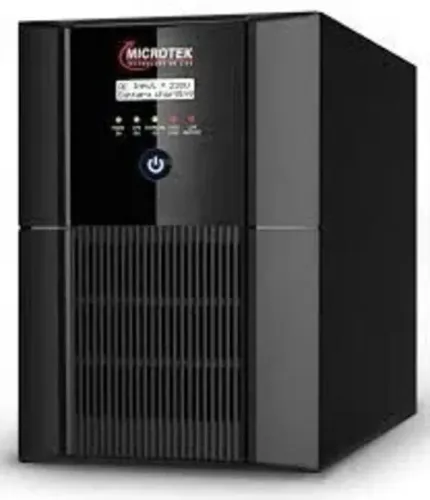
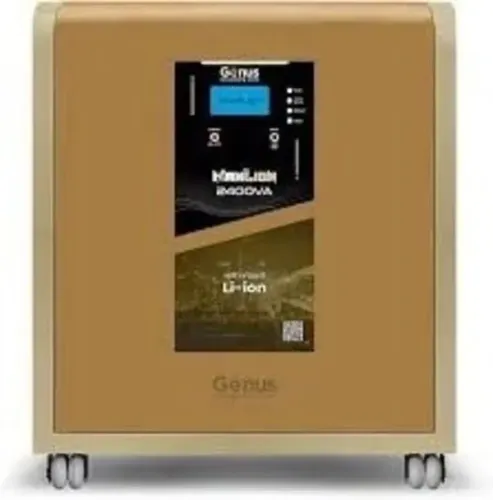
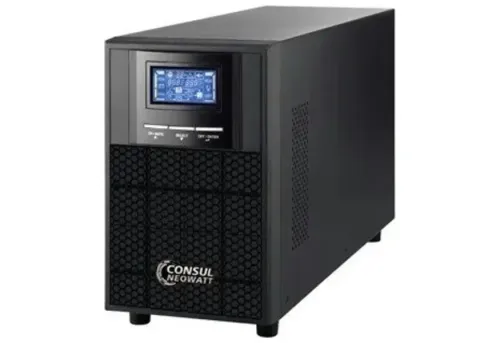
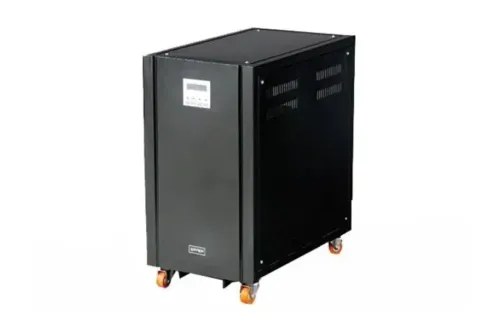
Inverter Power Backup Systems offer a practical way to keep selected electrical loads running during outages. The system should be planned around essential business functions rather than every appliance on the premises.
Identify the Cost of Interruption
Before selecting equipment, consider what actually happens when power fails. A retail store may lose access to billing and payment systems. A clinic may be unable to operate registration computers or selected instruments. An office may lose internet connectivity and ongoing digital work.
List the functions that must continue, such as:
- Point-of-sale systems
- Computers and monitors
- Routers and network switches
- CCTV and access control
- LED lighting
- Fans
- Communication devices
- Barcode scanners
- Small printers
- Essential display equipment
This list becomes the basis for load calculation and circuit planning.
Avoid Backing Up the Entire Premises
Connecting every circuit can make the system unnecessarily expensive and reduce runtime. Air conditioners, water heaters, kettles, large refrigerators, motors, and heavy machinery consume substantial power.
A dedicated essential-load circuit allows the inverter to support critical operations while excluding non-essential equipment. Clear labelling also helps employees understand which sockets remain available during an outage.
Choose Between Short and Extended Backup
Some businesses need only enough time to complete a transaction or wait for a generator to start. Others require several hours because outages are frequent or no generator is available.
Backup planning should consider:
- Typical outage duration
- Daily outage frequency
- Maximum essential load
- Operating hours
- Battery recharge time
- Generator availability
- Possibility of future load additions
- Importance of silent operation
A system designed for occasional short outages may not perform well when repeatedly discharged for several hours.
Calculate Return Through Continuity
The value of backup is not limited to electricity supplied from the battery. It may also help prevent lost transactions, data interruption, customer inconvenience, and staff downtime.
A simple evaluation can compare:
- Estimated sales or productivity lost per outage
- Frequency of interruptions
- Cost of backup equipment
- Battery replacement cycle
- Maintenance expense
- Value of continued security coverage
- Reduced disruption to customer service
This creates a more realistic view of return on investment than purchase price alone.
Plan for Safe Daily Operation
Commercial systems often operate in crowded environments where staff, customers, stock, and equipment share limited space. The inverter and batteries should be placed in a protected, ventilated location with safe cable routing.
In Nagpur’s warm climate, installing batteries in an overheated storeroom can reduce their working life. Ventilation, dust control, accessible inspection space, and secure terminals are essential.
The installation should include suitable protection against overload, short circuits, deep battery discharge, and incorrect connections.
Establish Basic Operating Rules
Employees should know which equipment can be used during an outage. Adding an unplanned load, such as a heater or high-power printer, may cause immediate overload.
A simple operating plan should cover:
- Approved backup devices
- Load priority
- Low-battery warning response
- Safe shutdown procedure
- Fault-reporting contact
- Battery inspection schedule
- Restrictions on additional appliances
These instructions can be displayed near the system without exposing live electrical components.
Soumya Enterprises helps shops, offices, clinics, and small businesses in Nagpur assess essential loads and select practical inverter backup configurations. The company can also guide buyers on battery compatibility and installation requirements.
A commercial inverter system should keep the most valuable functions running, not attempt to reproduce the entire mains supply. Clear priorities, accurate sizing, protected wiring, and routine maintenance produce a more economical and dependable solution.
Keywords