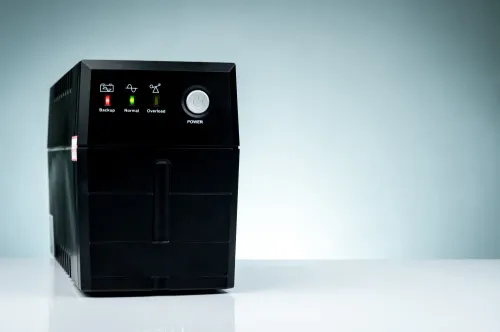
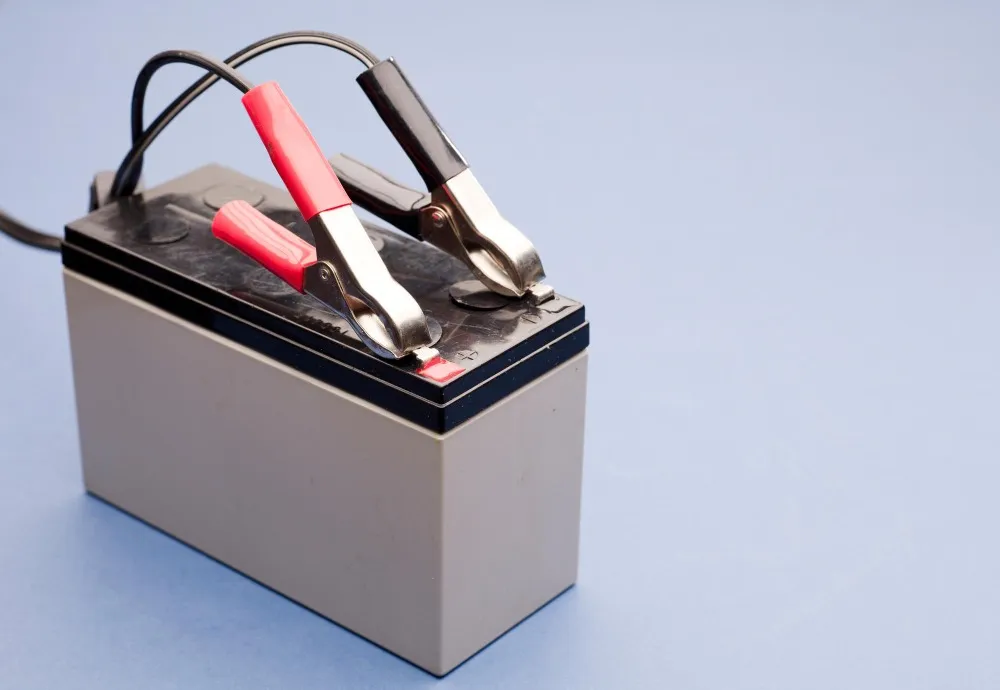
An inverter can deliver backup only when its battery stores enough usable energy and releases it efficiently. Many backup complaints blamed on the inverter are actually caused by an undersized, aged, poorly maintained, or incompatible battery.
A dependable Inverter Batteries Supplier should help buyers understand capacity, expected runtime, charging requirements, and maintenance before recommending a product. This is particularly important in Nagpur, where high ambient temperatures can influence battery performance and service life.
Understanding Battery Capacity
Inverter battery capacity is commonly stated in ampere-hours, or Ah. A higher Ah rating generally indicates greater stored energy, but it does not translate directly into a fixed number of backup hours.
Runtime depends on:
- Total connected load
- Battery voltage
- Usable depth of discharge
- Battery age and condition
- Inverter efficiency
- Discharge rate
- Ambient temperature
- Cable and connection quality
Two homes using the same battery may receive different backup durations because their actual loads are different.
A supplier should estimate runtime based on the appliances that will operate simultaneously, not on a general product claim.
Common Battery Types
Flat-Plate Batteries
Flat-plate batteries can be suitable for locations with shorter or less frequent outages. They may offer a lower initial cost but can require more regular maintenance depending on the model and usage.
Tubular Batteries
Tubular batteries are widely selected for inverter applications involving repeated charging and discharging. Their design can support deeper cycles and longer service under suitable operating conditions.
Sealed Batteries
Sealed batteries require less routine water maintenance and can be useful where compact or cleaner installation is important. Their charging requirements and operating environment should be checked carefully.
Lithium-Based Batteries
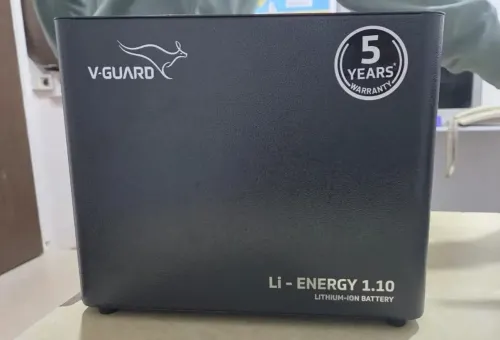
Lithium battery systems can offer high usable capacity, faster charging, lower weight, and longer cycle performance in appropriate applications. They require a compatible inverter, suitable battery-management system, and a higher initial investment.
The correct choice depends on outage patterns, usage frequency, available space, budget, and maintenance capability.
Avoid These Battery Selection Mistakes
A common mistake is choosing the highest Ah rating without checking inverter compatibility. The inverter’s charger may take too long to recharge a very large battery or may not support the selected battery technology.
Other avoidable mistakes include:
- Mixing batteries of different ages
- Combining different capacities in one bank
- Ignoring terminal corrosion
- Using undersized cables
- Installing batteries near heat sources
- Keeping batteries in an enclosed, unventilated area
- Adding distilled water beyond the recommended level
- Leaving a discharged battery unused for long periods
- Connecting more load after receiving an initial runtime estimate
These conditions can reduce backup, cause uneven charging, or shorten battery life.
Maintenance Supports Longer Service
For serviceable lead-acid batteries, electrolyte levels should be checked at recommended intervals and topped up only with suitable distilled water when required. Terminals should remain clean, secure, and protected against corrosion.
Ventilation around the battery is important. The installation area should be dry, accessible for inspection, and protected from sparks or open flames.
Users should also watch for:
- Swelling or physical deformation
- Unusual smell
- Excessive heating
- Rapid loss of backup time
- Slow charging
- Repeated low-battery alarms
- Leakage around the casing
These signs should be inspected promptly rather than ignored until the battery stops working.
Ask for Transparent Warranty Terms
Battery warranty conditions can vary by model and period of use. Buyers should understand the difference between free replacement and pro-rata warranty. They should also retain the purchase invoice, warranty card, and installation details.
Soumya Enterprises supplies inverter batteries for residential and commercial backup requirements in Nagpur. A proper recommendation should match the battery to both the inverter and the customer’s real load profile.
Battery selection becomes easier when buyers focus on usable runtime, charging compatibility, installation conditions, maintenance, and lifecycle cost. These factors provide a more dependable basis for purchase than capacity or price considered in isolation.
Keywords