Even a power interruption lasting only a few seconds can disrupt computers, communication equipment, billing systems, medical devices, security infrastructure, and automated processes. Some equipment restarts slowly, while other systems may lose unsaved data or interrupt a critical cycle.
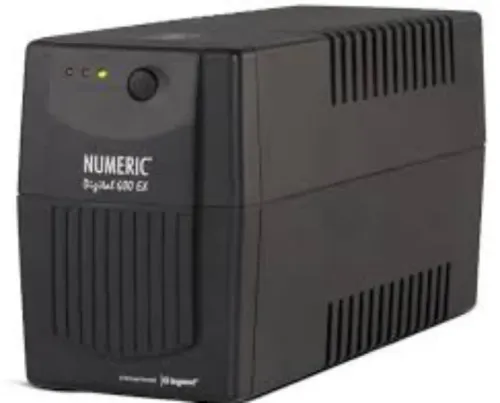
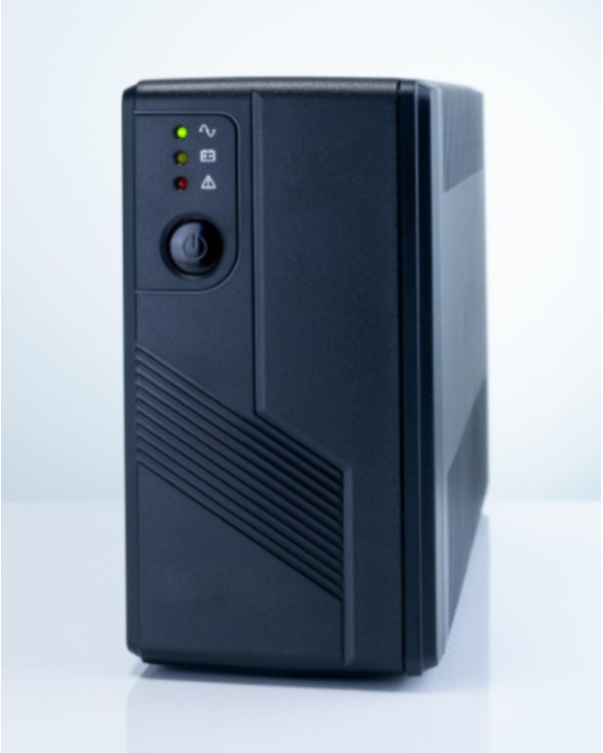
An Uninterruptible Power Supply System provides temporary power when the main electricity supply fails or moves outside acceptable limits. It creates a bridge between the power failure and the restoration of utility power, generator startup, or safe shutdown of connected equipment.
What a UPS Actually Does
A UPS typically uses stored energy from batteries to support connected loads. Depending on its design, it may also regulate voltage, filter certain disturbances, and isolate sensitive equipment from unstable input conditions.
The three commonly discussed UPS categories are:
- Offline UPS: Normally supplies equipment from the mains and switches to battery during a failure.
- Line-interactive UPS: Includes voltage-regulation capability and is often used for office equipment, workstations, and networking devices.
- Online UPS: Continuously supplies connected equipment through an inverter, offering zero transfer time for critical loads.
The suitable type depends on the sensitivity of the equipment, acceptable interruption time, power quality, and operational importance.
Where UPS Protection Is Valuable
UPS systems can support a wide range of applications:
- Desktop computers and workstations
- Servers and networking equipment
- CCTV and access-control systems
- Point-of-sale machines
- Laboratory instruments
- Diagnostic equipment
- Telecom infrastructure
- Industrial control panels
- Fire and security systems
- Automation and monitoring devices
In a manufacturing facility, the UPS may protect controllers and computers while larger motors remain on a separate power arrangement. In a retail shop, it may keep billing, network, and payment systems operating through a short outage.
Power Rating and Backup Time Are Different
UPS capacity is usually expressed in VA or kVA, while battery backup depends on the connected load, battery capacity, battery condition, and system efficiency.
A higher-capacity UPS does not automatically guarantee longer backup. Similarly, adding batteries without confirming charger compatibility can lead to incomplete charging or reduced battery performance.
A proper assessment should identify:
- Total connected load
- Actual operating load
- Load power factor
- Starting or inrush current
- Required backup time
- Equipment sensitivity
- Future expansion
- Battery technology
- Installation temperature
- Generator compatibility
Critical equipment should be separated from non-essential loads. Connecting printers, heaters, air conditioners, or other high-consumption appliances without proper planning can reduce backup time dramatically.
Battery Health Determines Readiness
The UPS electronics may be working correctly while aged batteries are unable to deliver the expected runtime. Battery capacity gradually decreases due to age, high temperature, repeated discharge, poor charging conditions, and inadequate maintenance.
Routine checks should include:
- Battery voltage and physical condition
- Terminal tightness and corrosion
- Charging performance
- Alarm history
- Load percentage
- Ventilation
- Backup-time testing
- Replacement dates
Nagpur’s high summer temperatures can influence battery life, especially in poorly ventilated rooms. Maintaining a suitable installation environment is therefore important for dependable performance.
UPS Systems Need Planned Maintenance
A UPS should not be installed and ignored until a power failure occurs. Dust, loose connections, blocked ventilation, overloaded circuits, weak batteries, and failed fans can reduce reliability.
Facilities should establish a maintenance schedule based on equipment type and operational risk. High-dependency sites may also need bypass arrangements, spare batteries, remote monitoring, or service response plans.
Building a Practical Backup Strategy
Soumya Enterprises supplies and supports power-backup equipment for homes, offices, shops, and industrial users in Nagpur. A responsible system recommendation should define what will be protected, how long it must operate, and what happens when battery backup is exhausted.
A UPS is most useful when it is treated as part of a complete continuity plan. Correct sizing, selective load allocation, safe installation, healthy batteries, and periodic testing help ensure that essential systems remain available when the mains supply becomes unreliable.