Voltage fluctuation is often noticed only after equipment begins behaving unpredictably. Motors may run hotter, lights may vary in brightness, machines may trip, electronic controls may reset, and production cycles may stop without an obvious mechanical fault.
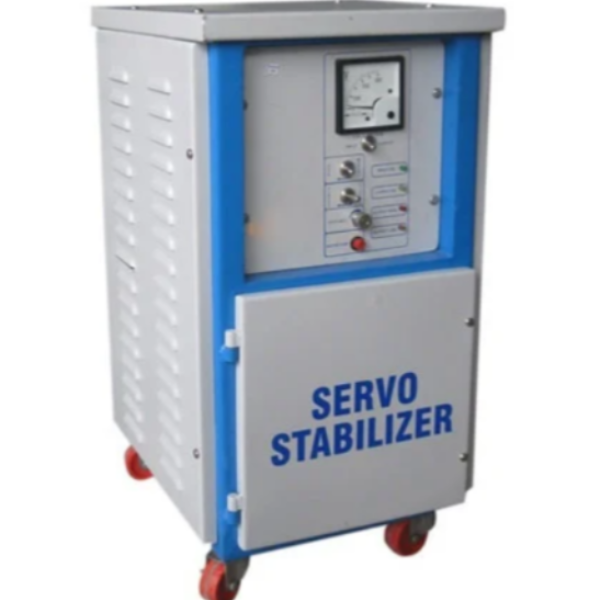
A knowledgeable Servo Voltage Stabilizer Supplier can help determine whether unstable incoming voltage is contributing to these problems. For businesses in Nagpur, where commercial and industrial loads can vary considerably across locations, proper voltage assessment is an important first step before selecting a stabilizer.
Common Signs of Voltage-Related Problems
Not every equipment fault is caused by voltage variation. However, recurring patterns can indicate that the electrical supply should be examined.
Typical warning signs include:
- Frequent contactor or relay failure
- Motors heating under normal loads
- Repeated tripping of machines
- Inconsistent output from production equipment
- Unexpected PLC or controller resets
- Premature failure of electronic components
- Reduced performance during peak-demand hours
- Noticeable differences between phase voltages
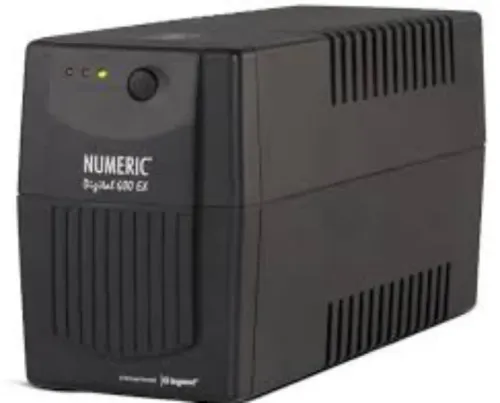
- UPS systems frequently switching to battery mode
Voltage measurements should ideally be taken at different times and under actual operating conditions. A single reading may not reveal fluctuations that occur when large machinery starts or local demand increases.
The Supplier’s Role Goes Beyond Product Delivery
A competent supplier should help translate site conditions into a clear equipment specification. This involves understanding the input voltage range, connected load, starting current, output tolerance, installation environment, and protection needs.
The supplier should also explain whether the proposed stabilizer is suitable for:
- Single-phase or three-phase supply
- Balanced or unbalanced loads
- Motor-based equipment
- CNC and automation systems
- Medical or laboratory devices
- Office electronics
- Retail refrigeration
- Commercial building services
This assessment reduces the risk of buying equipment that is too small, unnecessarily oversized, or unable to handle the actual voltage range.
Correct Capacity Is Essential
An undersized stabilizer may overload, overheat, trip, or fail to provide stable output during peak demand. Excessive oversizing may increase purchase cost and occupy more installation space without delivering a meaningful operational advantage.
Capacity calculations should account for simultaneous usage. A workshop may have a high connected load but operate only selected machines at one time. Conversely, a facility with compressors, pumps, and motors starting together may require a margin for starting current.
Future expansion should also be considered. If new equipment is planned, the stabilizer may need additional capacity, provided this is supported by proper electrical calculations.
Protection Features Should Match the Risk
A basic stabilizer may correct voltage, while an industrial system may need several additional safety functions. Depending on the application, buyers can evaluate:
- Overvoltage and undervoltage cut-off
- Overload and short-circuit protection
- Phase-failure protection
- Phase-reversal protection
- Bypass facility
- Surge protection
- Time-delay operation
- Digital parameter display
- Alarm indication
- Automatic restart arrangements
For facilities where downtime is costly, clear fault indications can help maintenance teams identify the cause of a shutdown more quickly.
Questions to Ask Before Buying
An informed discussion with a supplier should cover both technical and service-related points. Buyers can ask:
- What input voltage range does the unit support?
- What output accuracy can be expected?
- Is the capacity based on kVA or actual operating load?
- Which protection features are included?
- Is the system air-cooled or oil-cooled?
- What ventilation and clearance are required?
- Is commissioning support available?
- Which parts require routine inspection?
- What is covered under warranty?
- How quickly can service support be arranged?
Clear written specifications make it easier to compare different proposals fairly.
Local Support Has Practical Value
A nearby provider can better understand regional operating conditions and may offer faster coordination for inspection, installation, or service. Nagpur businesses should consider accessibility of spares, technical response, and maintenance support alongside the equipment price.
Soumya Enterprises works with industrial buyers, contractors, facility managers, and business owners seeking voltage-control equipment in Nagpur. The selection process should begin with actual electrical data rather than assumptions.
Choosing a servo stabilizer is ultimately a reliability decision. When capacity, voltage range, protection, installation, and support are evaluated together, the system is more likely to deliver stable performance and reduce avoidable interruptions.