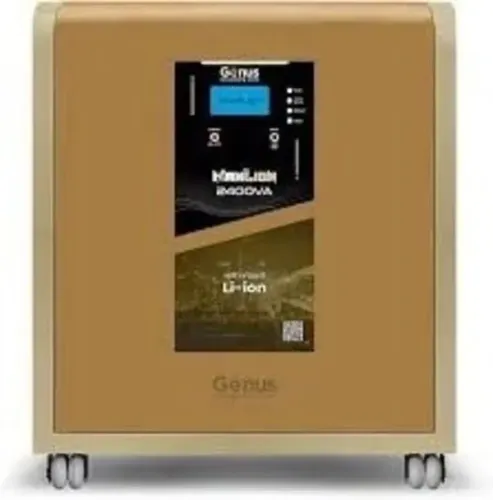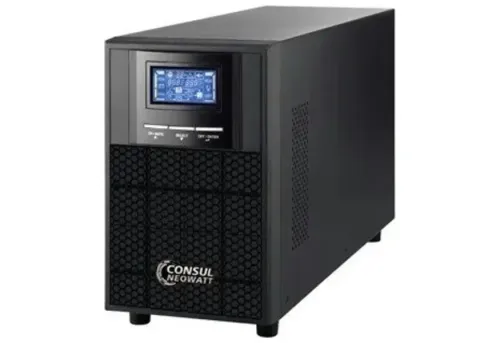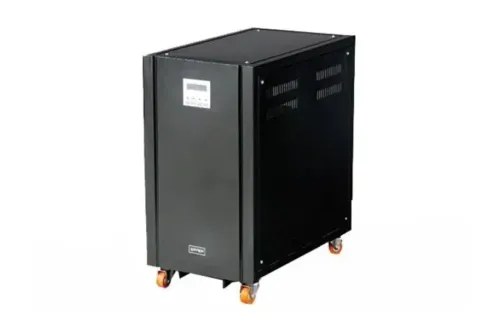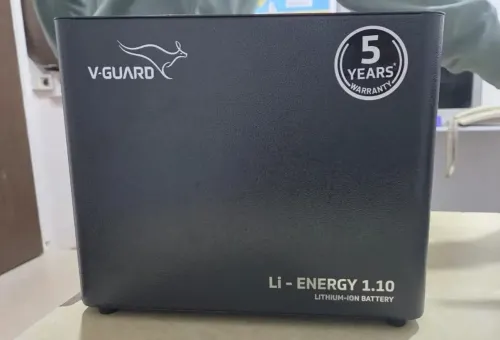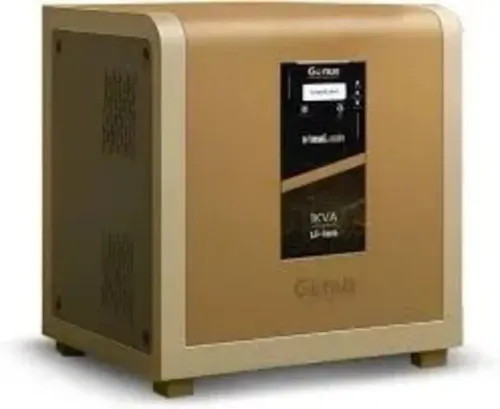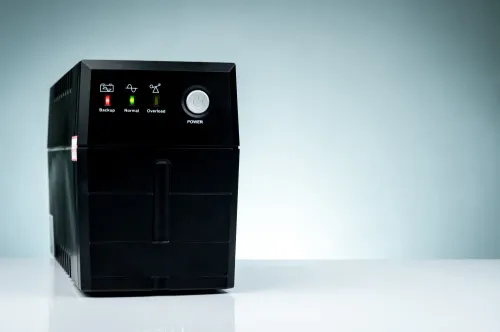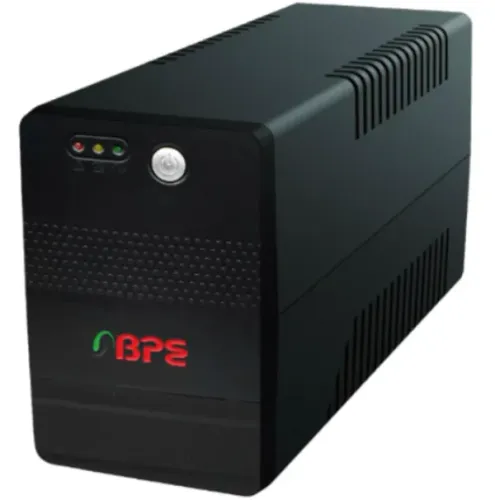
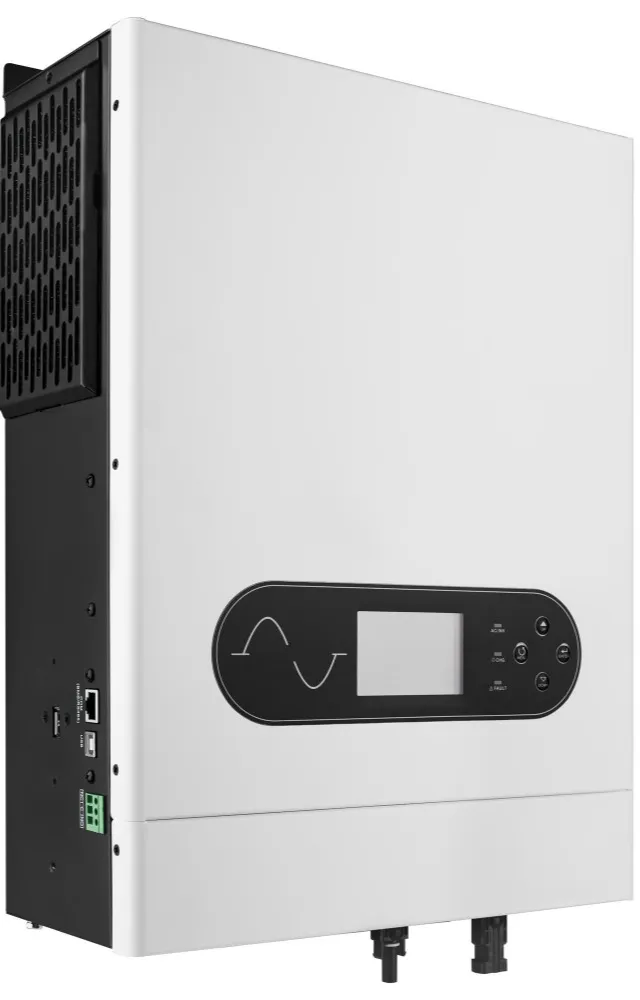
Power cuts can interrupt billing, lighting, communication, security, customer service, and routine office work. For small businesses, clinics, stores, and professional establishments, an inverter can provide practical backup without requiring a complex power-continuity system.
Choosing an Electric Inverters Supplier involves more than comparing prices. Buyers should assess whether the provider can calculate the load correctly, recommend a compatible battery, explain backup limitations, and support the equipment after installation.
Define the Backup Requirement First
Begin by identifying the devices that must remain operational. Essential loads may include:
- LED lights
- Ceiling fans
- Computers
- Internet routers
- Billing equipment
- CCTV cameras
- Access-control devices
- Telephones
- Selected medical or testing devices
- Small office appliances
High-power equipment such as air conditioners, electric kettles, heaters, large printers, pumps, and refrigerators may require special consideration. Connecting them without proper sizing can overload the inverter or drastically reduce backup duration.
Write down the wattage of each essential device and note how many units may run simultaneously. This produces a more reliable basis for capacity selection.
Check the Inverter Waveform
A pure sine-wave inverter generally provides smoother output and is better suited to sensitive electronics, motors, fans, and modern appliances. Modified sine-wave models may be economical, but some devices can produce noise, heat, or reduced performance when connected to them.
The supplier should explain the waveform clearly and confirm compatibility with the intended loads. Product selection should not be based on the assumption that all inverters provide identical output.
Confirm Battery Compatibility
The inverter and battery must work as a coordinated system. The battery voltage, capacity, charging current, and technology should match the inverter specifications.
Ask the supplier:
- Which battery capacities are compatible?
- How long will charging take after a deep discharge?
- What runtime is expected at the stated load?
- Does the inverter support future battery expansion?
- What maintenance does the battery require?
- What installation clearances are necessary?
- Are the inverter and battery covered by separate warranties?
If a backup estimate is provided, request the load calculation behind it. Actual runtime varies with battery age, temperature, discharge rate, and system efficiency.
Examine Protection and Usability Features
Useful features can include:
- Overload protection
- Short-circuit protection
- Deep-discharge protection
- Reverse-polarity protection
- Low-battery warning
- Mains and battery indicators
- Automatic changeover
- Bypass provision
- Charging-mode selection
- Audible fault alarms
Indicators should be easy for staff or family members to understand. Complicated controls can create confusion during an outage or fault.
Inspect Installation Quality
Good equipment requires safe installation. Cables should be correctly sized, terminals securely tightened, and batteries placed in an appropriate location. The system needs ventilation and protection from direct heat, moisture, and accidental contact.
In Nagpur, high seasonal temperatures can affect both inverter electronics and battery performance. A cramped, unventilated cabinet may shorten component life and create unnecessary risk.
The supplier should also verify earthing and explain which circuits receive backup. Properly separating essential loads prevents accidental connection of heavy appliances.
Assess Service Capability
A practical supplier should provide a clear process for warranty claims, battery replacement, fault diagnosis, and routine service. Ask about service coverage across Nagpur, typical response arrangements, and availability of compatible spare parts.
Soumya Enterprises serves business owners, contractors, shopkeepers, and homeowners seeking electric inverter systems in Nagpur, Maharashtra. Recommendations can be aligned with the customer’s actual load and desired backup time.
The most suitable supplier is not necessarily the one quoting the lowest price. Reliable load assessment, compatible components, safe installation, transparent warranty terms, and accessible after-sales support offer greater value throughout the working life of the system.
Keywords